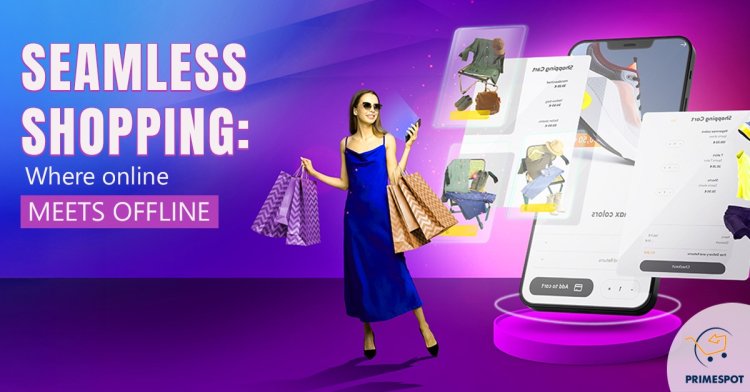
Shopping today offers an unprecedented array of options, with hybrid retail models, e-commerce, and the rise of Q-commerce revolutionizing the experience. AI-driven personalization and AR/VR technology have made the journey seamless, while retailers extend the personal touch even when stores are closed. Q-commerce is expanding into lifestyle and home, elevating the shopping experience to new heights. Let’s dive into the key factors driving this transformation in how we shop
The Rise of Omnichannel Retailing:
Why brands are blending online and offline experiences. Pre-pandemic, people shopping online globally were approximately 3.8% at retail stores and approximately 12% online, for groceries and other lifestyle requirements. More than 80% of Indians shopped at local Kirana stores as opposed to shopping online. E-commerce was limited still for lifestyle with the Myntra, Tata Cliq, and Amazon sales. Post-pandemic close to 80% and more Indians shopped online for obvious convenience. This is only reflective of the organized tier-1 cities in India. Recognizing this shift and with the Government’s push to digitize most modes of payments, as well as reach smaller towns and cities in India. Today online shopping is targetted to reach 427 million by 2027. ( source https://www.statista.com). Post Pandemic the skewed balance that had virtually killed shopping in person changed, and to address the post-pandemic shoppers eager to venture out life was breathed back into offline stores. With the rise of retail and shopping preferences on both fronts, the business offered clients the option of shopping, browsing, working out purchases, returns, etc via multiple touch points, giving customers more options.
A study shows that with the rise of omnichannel approximately 89% of customers were retained by companies with effective omnichannel strategies.
Tech-Driven Experiences
The Role of AR, VR, and IoT in Creating Immersive Shopping Journeys. The future of retail is here, and it’s all about experience over transactions. Technologies like Augmented Reality (AR), Virtual Reality (VR), and the Internet of Things (IoT) are transforming the way consumers engage with brands, making shopping not just an activity but an immersive adventure.
● AR: Try Before You Buy
AR allows customers to visualize products in real time. From virtually trying on makeup or clothes to seeing how furniture fits into your living space, AR bridges the gap between imagination and reality.
● VR: Enter the Virtual Store
Imagine stepping into a fully immersive store from the comfort of your home. VR enables customers to explore virtual showrooms, interact with products, and make informed decisions—all without stepping outside.
● IoT: Smart, Connected Shopping
IoT is making stores smarter. Think shelves that restock themselves, smart mirrors that offer styling suggestions, or personalized notifications about deals based on your preferences. The IoT ensures a seamless and personalized shopping experience.
Click-and-Collect Convenience:
How hybrid models are reshaping consumer habits?
Together, combined technologies are redefining convenience, engagement, and loyalty, creating a retail landscape that feels futuristic yet personal. The result? A shopping journey that’s as exciting as it is efficient. Click-and-Collect Convenience: Reshaping Consumer Habits
Hybrid retail models like click-and-collect are revolutionizing shopping by blending online convenience with offline efficiency. Customers can browse and purchase online, then pick up in-store or at designated points, saving time while enjoying flexibility. This seamless integration fosters faster decision-making and enhances the overall shopping experience, meeting evolving consumer demands.
The Role of Data:
Data-driven insights are transforming retail by enabling personalized experiences and seamless transitions between online and offline shopping. By analyzing customer behavior, preferences, and purchase patterns, brands can optimize inventory, tailor recommendations, and create unified journeys. This strategic use of data ensures convenience, satisfaction, and loyalty in today’s dynamic retail landscape.
Future Outlook:
How offline and online with e-commerce and quick-commerce options will continue to evolve together.
No matter the preference, and we all know that not all solutions fit everyone, we can all agree that convenience is key to making decisions to shop online, offline, or process with the omnichannel way. The keywords of the hour are convenience and options. People will exercise both and businesses will cater to both offline and online to ensure customer retention. India is set to hit the mark of 300 Billion USD by 2030. While physical stores serve as experiential centers and online platforms focus on Hyper-personalization and as mentioned convenience. Together, they form an interconnected ecosystem, offering customers seamless, engaging, and adaptable shopping journeys that meet diverse needs.