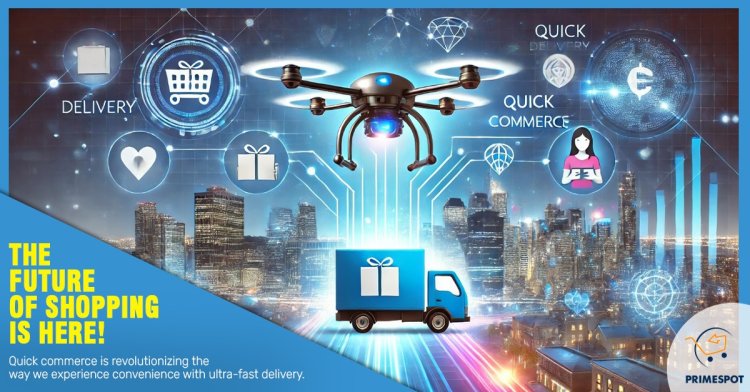
In today’s fast-paced world, consumer expectations are evolving rapidly, and quick commerce (q-commerce) has emerged as a game-changer in the retail landscape. As consumers increasingly seek immediate solutions, the demand for faster delivery and instant gratification has never increased. This blog explores the future of quick commerce, its impact on the retail industry, and what it means for consumers.
Understanding Quick Commerce
Quick commerce refers to the delivery of products in a matter of minutes, often within an hour of ordering. This concept is gaining traction, particularly in urban areas, where consumers are looking for convenience and speed. With the rise of on-demand services, q-commerce is transforming how we shop, making it easier to access everyday essentials, groceries, and even gourmet meals with just a few taps on our smartphones.
The Driving Forces Behind Quick Commerce
1.Consumer Expectations:
Today's consumers are accustomed to instant access to products and services. The success of companies like Amazon and Uber Eats has set a precedent for rapid delivery. As a result, consumers now expect brands to meet their needs swiftly, pushing retailers to adopt Q-commerce models.
2.Technological Advancements:
Advances in technology have paved the way for efficient logistics, real-time tracking, and seamless payment solutions. From artificial intelligence to machine learning, these technologies are optimizing delivery routes and predicting consumer behavior, making it possible for retailers to fulfill orders faster than ever.
3.Urbanization:
As more people move to urban areas, the density of potential customers increases, making q-commerce a viable option for retailers. Urban centers offer a perfect environment for quick delivery services, enabling businesses to cater to a larger audience efficiently.
The Benefits of Quick Commerce
● Convenience:
Quick commerce provides consumers with unparalleled convenience. Whether it's a late-night snack, a last-minute gift, or daily essentials, the ability to receive products quickly eliminates the hassle of traditional shopping.
● Increased Variety:
With q-commerce, consumers have access to a wider range of products from multiple retailers in their area. This variety not only enhances the shopping experience but also encourages consumers to try new products and services.
● Enhanced Customer Experience:
Fast delivery times contribute to higher customer satisfaction. When consumers receive their orders quickly and reliably, they are more likely to return to the brand for future purchases, fostering loyalty.
Challenges Facing Quick Commerce
Despite its many advantages, q-commerce is not without challenges.
1. Logistics and Infrastructure:
Establishing efficient logistics networks is crucial for the success of quick commerce. Companies must invest in warehouses, delivery personnel, and technology to ensure timely deliveries.
2. Cost Management:
Rapid delivery services can be costly to operate, and passing these costs on to consumers can hinder adoption. Brands must find ways to balance affordability with efficiency to remain competitive.
3. Sustainability Concerns:
The environmental impact of quick commerce is a growing concern. As more delivery vehicles hit the roads, the carbon footprint increases. Companies must explore sustainable practices, such as electric vehicles and eco-friendly packaging, to mitigate these effects.
The Future of Quick Commerce
The future of quick commerce looks promising, driven by advancements in technology, changing consumer behaviors, and the need for instant gratification. Here are some trends to watch:
● Integration of AI and Automation:
As artificial intelligence and automation technologies continue to evolve, we can expect to see even faster and more efficient delivery systems. AI will help retailers predict demand, optimize inventory, and streamline logistics, further enhancing the customer experience.
● Rise of Dark Stores:
Dark stores—warehouses converted for online order fulfillment—are becoming more common in urban areas. These facilities are designed for quick order processing and delivery, allowing retailers to serve customers more efficiently.
● Personalization and Customization:
The future of quick commerce will likely see increased personalization. Retailers can use data analytics to understand consumer preferences better and offer tailored recommendations, enhancing the overall shopping experience.
● Sustainable Practices:
As consumers become more environmentally conscious, quick commerce companies will need to prioritize sustainability. This includes reducing waste, using eco-friendly packaging, and exploring greener delivery options to align with consumer values.
The way ahead
The future of quick commerce is bright, as it meets the growing demand for faster delivery and instant gratification. By embracing technological advancements and focusing on customer satisfaction, retailers can position themselves for success in this rapidly changing landscape. As we move forward, the challenge will be to balance speed, efficiency, and sustainability while continuously enhancing the consumer experience. Quick commerce is not just a trend; it’s the future of shopping, and it’s here to stay.